Is Reselling Digital Products Legal? EULAs and First Sale Doctrine
Digital Distribution & Keys
Reselling a physical item you legally bought is protected in the US under the First Sale Doctrine, formally codified at 17 U.S.C. § 109. Reselling a purely digital product instead — a downloaded game, an e-book, a software license with no physical copy at all — sits in genuinely murkier legal territory, and US courts have generally declined to extend that same protection to it.
What the doctrine actually covers
The doctrine gives a clear right to resell one specific physical copy legally purchased, without needing separate permission from the underlying copyright owner. The Supreme Court's 2013 ruling in Kirtsaeng v. John Wiley & Sons extended this further still, confirming that books manufactured and legally sold abroad could be resold within the US without the original publisher's consent, according to Bona Law's legal resource on the First Sale Doctrine.
The key word running through all of this is physical. The doctrine is built around one specific copy changing hands; once that copy is sold, the copyright owner's distribution right over it is legally "exhausted." A digital file doesn't fit that model cleanly, because "reselling" a digital file usually means creating a new copy for the buyer while the original seller's copy technically still exists too, unless it's deliberately deleted, which courts have treated as a meaningfully different act than simply handing over a physical object.
Why digital resale gets treated differently
Most digital purchases aren't structured as a sale of a copy at all. They're structured as a license to use software or content, governed entirely by an End User License Agreement. Legal Synopsis's 2026 breakdown of resale law notes that if a EULA states the license is non-transferable, which the large majority genuinely do, the buyer generally doesn't have the legal right to sell or otherwise transfer that license to someone else, regardless of how strongly they might intuitively feel they own what they paid for.
US courts have generally sided with this license-based framing over the buyer's more intuitive sense of ownership. That's why reselling a physical game disc remains entirely uncontroversial, while reselling a purely digital-only download of that same title exists instead in a genuine legal gray area depending heavily on the specific platform's own stated terms.
The US vs. EU split
This represents one of the clearer jurisdictional divides currently found in resale law. The Court of Justice of the European Union ruled in UsedSoft v. Oracle back in 2012 that digital software resale is genuinely permitted within the EU, treating a permanent license sale as similar enough to a traditional sale to trigger the same exhaustion principles, per Voolist's 2026 overview of reselling law. That specific ruling does not apply within the United States, where courts have been notably less protective of digital resale generally, meaning the exact same digital product can be legal to resell in one jurisdiction and not legal to resell in another, depending entirely on which jurisdiction's law governs the transaction.
Where the line actually sits
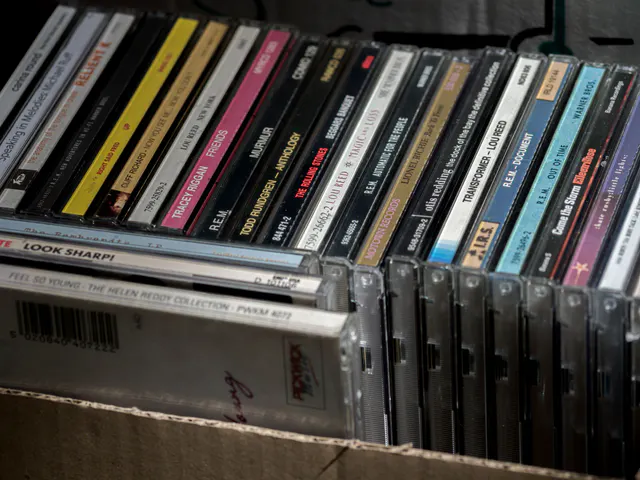
Physical book, disc, or cartridge legally purchased — protected under the First Sale Doctrine directly.
Digital download with a transferable license explicitly permitted by the platform — protected within those specific terms.
Digital download under a standard non-transferable EULA — generally not protected in the US.
Software resold in the EU under a permanent license — protected per UsedSoft v. Oracle.
The same software under the same license type, resold in the US — generally not protected.
Counterfeit goods, whether physical or digital — never protected, regardless of jurisdiction.
What actually gets people in legal trouble
Selling counterfeit goods under a real brand name exposes a seller to merchandise seizure and civil or criminal liability under the Lanham Act, entirely regardless of the reseller's own intent.
Bypassing DRM or other technological protection measures to make a digital product transferable when it wasn't designed to be raises separate legal exposure under anti-circumvention law, layered directly on top of any underlying license violation.
Selling recalled, stolen, or otherwise illegally obtained goods, digital or physical, sits entirely outside resale protections regardless of any licensing questions involved.
Practical guidance if you're considering reselling digital products
- Read the specific platform's own terms of service before assuming a digital purchase can be resold. Having paid for something doesn't automatically mean it can be transferred, especially under US law specifically.
- Look specifically for whether the platform has an official, built-in resale or gifting mechanism. Some genuinely do, and using it is meaningfully different from attempting to resell entirely outside the platform's own system.
- Treat account or key transfers involving DRM-protected content as considerably higher-risk than reselling an unprotected physical item, even when a third-party marketplace makes the listing process superficially easy.
- If you're buying rather than selling, understand that a "resold" digital license carries meaningfully more legal ambiguity than a used physical copy, worth factoring into how much you're willing to pay.
That ambiguity is exactly why the marketplace you're buying a "used" digital license through matters more here than it would for an ordinary physical resale. Since the law doesn't clearly back you up if a license turns out to be non-transferable after all, your actual protection comes down almost entirely to whether the specific seller or platform has a track record of standing behind what it sells. WebVouch is where that track record actually lives — checking a resale marketplace there before you buy tells you whether past buyers got a working, honored license or got stuck holding a legally unenforceable one.